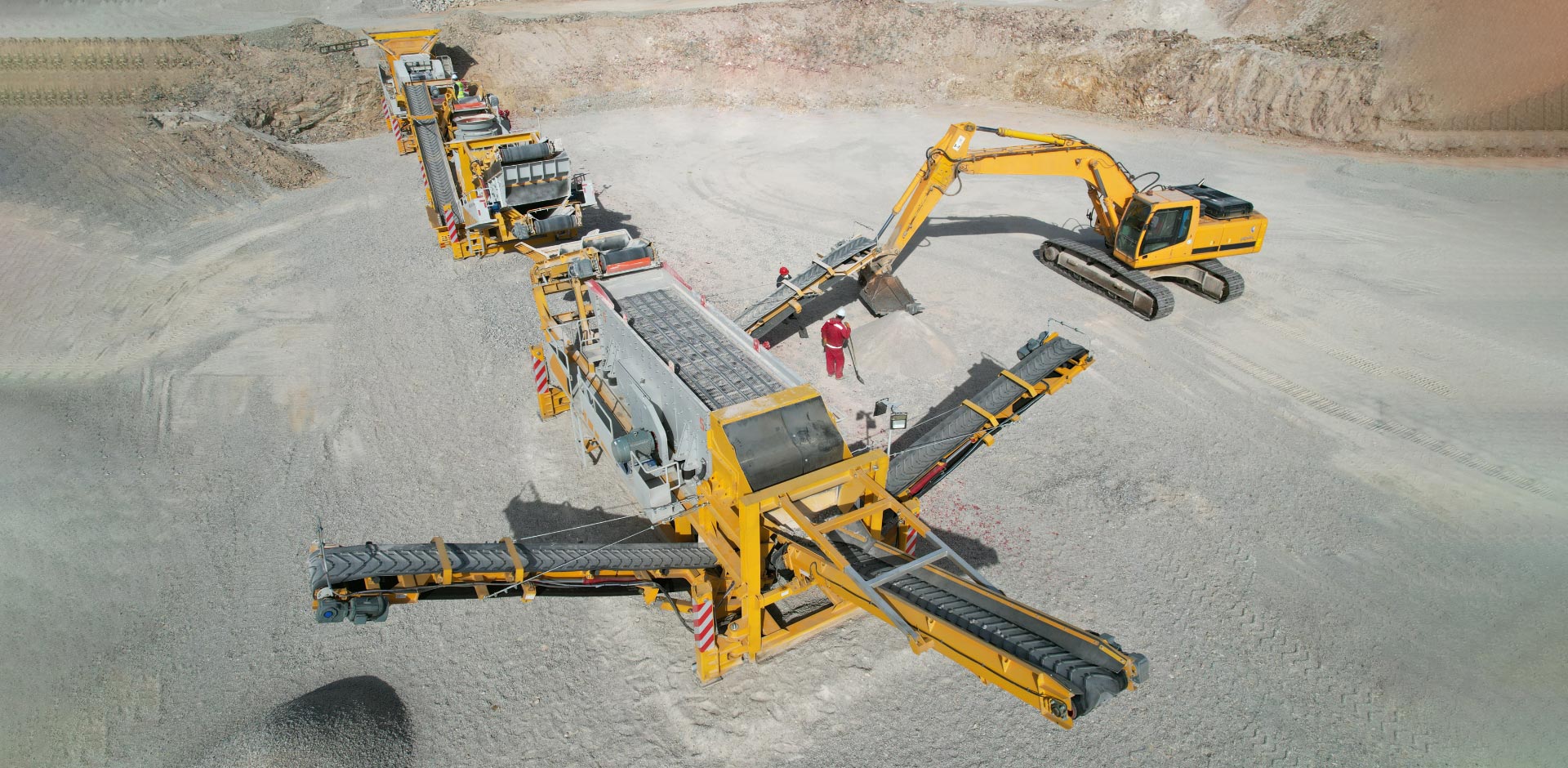
In the construction and mining industry, meeting project deadlines is critical. Traditional stone crusher plants often require extensive site preparation, complex installation, and prolonged commissioning times, which can delay the overall project schedule. Modular stone crusher plants, however, offer a flexible and efficient alternative. By combining pre-engineered components with plug-and-play installation, they significantly reduce setup time while maintaining high productivity. This article explores how modular stone crusher plants(planta de trituracion de piedra) can accelerate project timelines, enhance efficiency, and adapt to different operational needs.
Understanding Modular Stone Crusher Plants
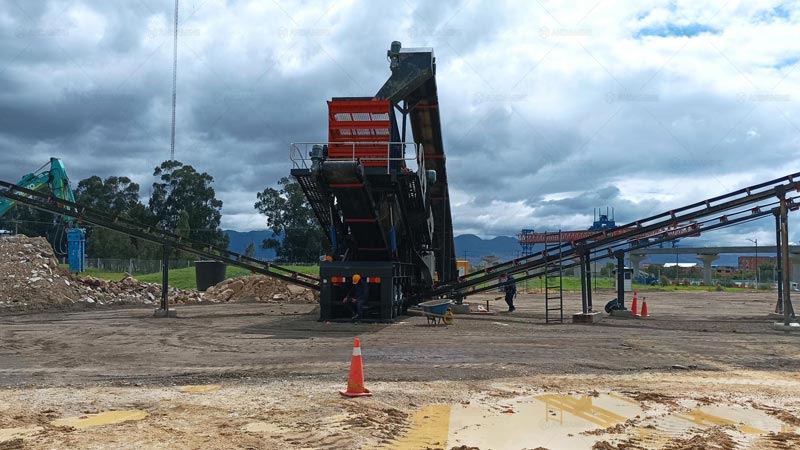
A modular stone crusher plant is a pre-fabricated, transportable system designed to process various types of rocks and minerals. Unlike traditional stationary plants, modular systems are manufactured in standardized units that can be quickly assembled on-site. These units often include crushing machines, screening equipment, conveyors, and support structures. Because each module is pre-engineered and factory-tested, installation on-site is simplified, resulting in minimal downtime. Modular plants are suitable for processing a wide range of materials, including limestone, granite, basalt, and mineral ores.
Core Components of a Modular Stone Crusher Plant
Modular stone crusher plants are composed of several key components that work together to ensure efficient crushing and material handling. The main elements include:
- Primary Crusher: The first stage in the process, often a jaw crusher or impact crusher, designed to handle large rocks and reduce them to manageable sizes.
- Secondary and Tertiary Crushers: These may include cone crushers, hammer crushers, or other specialized machinery to achieve desired aggregate sizes.
- Screening Units: Vibrating screens sort crushed materials by size, ensuring consistency in aggregate production.
- Conveyors: Belt conveyors transport material between stages efficiently, reducing manual handling and downtime.
- Control Systems: Modern modular plants are equipped with centralized or automated control systems, which simplify operation and monitoring.
By integrating these components in modular units, an aggregate crusher plant(planta chancadora de aridos) can be set up and operational much faster than traditional systems, directly impacting project timelines.
Advantages of Modular Stone Crusher Plants for Project Timelines
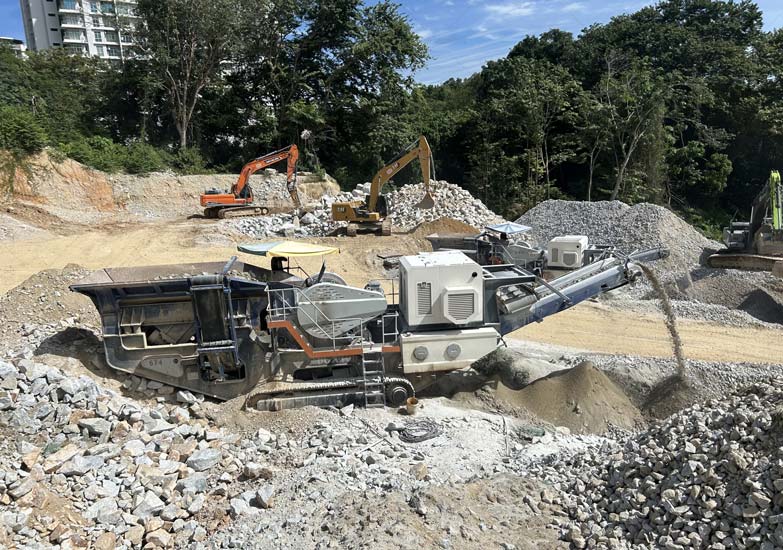
One of the most compelling benefits of modular stone crusher plants is their ability to shorten project construction cycles. Several factors contribute to this advantage:
Rapid On-Site Assembly
Unlike conventional stone crusher plants, which require civil works, extensive foundation construction, and manual assembly of equipment, modular plants come in pre-fabricated units. These units can be transported to the site and quickly installed, often within days rather than weeks. The reduced need for on-site construction means that material processing can begin almost immediately after delivery, accelerating the overall project timeline.
Minimized Civil Work Requirements
Traditional stationary crusher plants often demand large concrete foundations and heavy structural support. Modular stone crusher plants, on the other hand, are designed with self-supporting frames and compact layouts. Many models can operate on relatively simple leveled ground, eliminating the need for extensive excavation, pouring of concrete, and curing time. This advantage reduces both labor and project costs while maintaining operational efficiency.
Flexible Configuration and Expansion
Modular plants allow operators to adjust plant configurations to meet specific project requirements. For example, if a project initially requires only a primary limestone crusher(trituradora de piedra caliza) but later demands additional screening capacity, modules can be added without major disruption. This flexibility ensures that the plant can scale with project demands, avoiding delays caused by equipment shortages or reconfiguration.
Faster Commissioning and Testing
Because modular units are pre-assembled and factory-tested, they require less time for commissioning. The machinery, conveyors, and control systems are already calibrated and optimized for operation. On-site, operators primarily focus on connecting modules, power supply, and material feed. This streamlined process reduces startup errors and accelerates the time before production can begin, which is especially valuable for projects with tight deadlines.
Applications in Various Industries
Modular stone crusher plants are not limited to traditional construction sites. Their adaptability makes them suitable for a range of industries that require quick deployment of material processing solutions:
Construction and Infrastructure Projects
Large-scale construction projects, such as highways, bridges, and commercial developments, often face strict deadlines. Deploying a modular aggregate crusher plant on-site allows project managers to process materials locally, reducing transportation delays and ensuring a steady supply of aggregate. The presence of an on-site modular plant can significantly shorten construction cycles for road sub-base layers, concrete aggregates, and asphalt production.
Mining Operations
In mining applications, modular plants can be used to process mineral ores directly at the extraction site. For instance, a mineral crusher module can be set up near a quarry to handle limestone or other hard rock deposits. By processing materials on-site rather than transporting raw ores to distant facilities, mining operations can reduce logistics costs and accelerate overall production timelines. Additionally, modular plants can be relocated to new extraction sites as operations shift, offering unmatched flexibility for mining projects.
Temporary or Remote Sites
Projects in remote locations, such as mining camps, military bases, or temporary construction zones, benefit greatly from modular crusher plants. Traditional stone crusher plants would require weeks of installation and infrastructure setup, whereas modular plants can be deployed with minimal preparation. This capability ensures that even in isolated areas, projects can maintain momentum without waiting for prolonged setup or civil works.
Special Considerations for Limestone and Mineral Crushing
Limestone and mineral crushing present specific challenges that modular plants address effectively. Limestone crushers, for example, need to handle abrasive materials while producing consistent aggregate sizes for cement production and construction use. Modular plants allow operators to combine primary and secondary limestone crushers with vibrating screens and conveyors in compact units. Similarly, mineral crushers(trituradoras mineria), which process ores like iron, copper, and bauxite, can be integrated into modular systems for efficient extraction and processing.
Energy Efficiency and Cost Savings
Modular stone crusher plants are often designed with energy efficiency in mind. By using modern drives, optimized conveyor layouts, and automated control systems, modular plants consume less power than traditional setups. Reduced energy usage translates to lower operating costs and a faster return on investment, enabling project managers to allocate resources more effectively and keep construction schedules on track.
Environmental Considerations
Many modular plants are equipped with dust suppression systems and noise reduction technologies. These features help projects meet environmental regulations while maintaining rapid operational progress. Minimizing environmental disruptions can prevent regulatory delays, which often slow down traditional construction projects.
Conclusion
Modular stone crusher plants offer a strategic advantage in shortening project construction cycles. Their pre-fabricated design, rapid assembly, flexible configuration, and minimized civil work requirements make them ideal for modern construction, mining, and industrial projects. By enabling on-site processing of aggregates, limestone, and mineral ores, modular plants reduce material transport delays, speed up commissioning, and allow projects to meet tight deadlines. Whether for large infrastructure developments or remote mining operations, modular stone crusher plants provide a reliable and efficient solution that enhances productivity while keeping projects on schedule.
For project managers and construction engineers, adopting modular aggregate crusher plants is no longer just an option—it is a pathway to efficiency, cost savings, and accelerated timelines in a competitive industry.