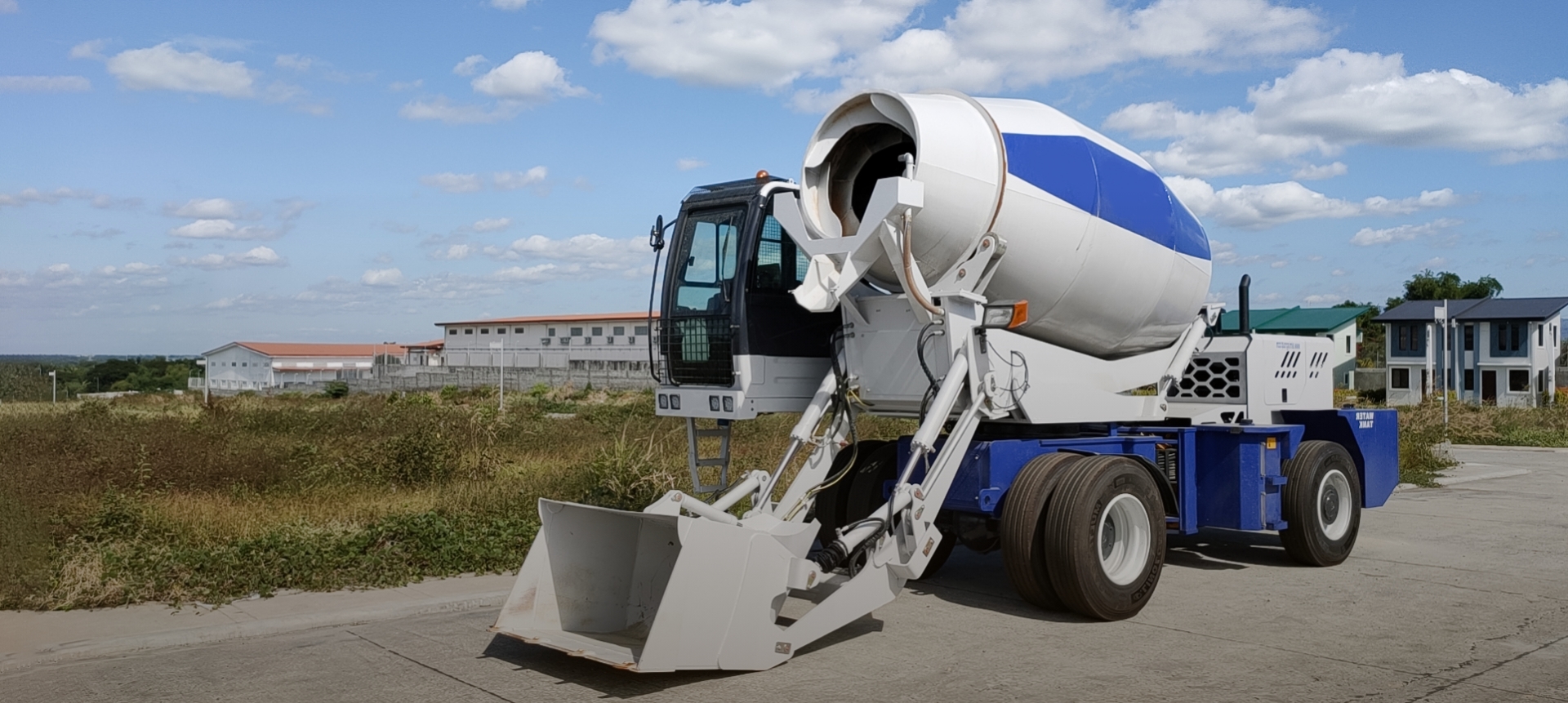
Construction projects vary in size, location, and concrete needs. Picking the right equipment saves time and cost. A large portable concrete mixer offers flexibility for many tasks. It mixes substantial volumes and moves to where it is needed. In this blog, we explain how to choose one for different projects. We also link to self loading concrete mixer, concrete mixer large, transit mixer, and portable concrete mixer. This helps you match machine to job.
Understand Project Size and Concrete Demand
Start by checking how much concrete you need per batch and per day. Small repairs need less capacity than building foundations or bridges. A concrete mixer large holds more material, so you make fewer batches.
Fewer batches mean less setup time and lower labor cost. For big pours, large capacity keeps work flowing. For tiny jobs, a smaller mixer avoids waste.
Match capacity to your typical demand for better efficiency.
Assess Site Accessibility and Space Limits
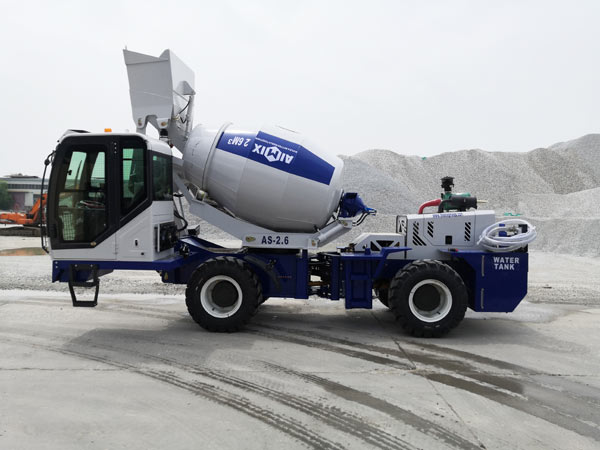
Large projects may have tight spaces, slopes, or limited access roads. A portable concrete mixer can be moved close to pour points. This avoids long material hauls on site.
Yet, a very large unit may not fit in narrow paths. Check door widths, gate sizes, and ground clearance. Choose a size that reaches all zones without blocking traffic.
Accessibility affects how easily you can position the mixer.
Compare Mixer Types for Different Jobs
A self loading concrete mixer automates loading, mixing, and discharge. It suits remote sites and medium volumes. It reduces labor and speeds up cycles.
A transit mixer is better for moving premixed concrete over long distances. It keeps concrete workable during transport but needs a batch plant.
A large portable concrete mixer blends high capacity with mobility. It works on-site without relying on a central plant. Each type fits different project needs.
Match Power Source to Site Conditions
Large mixers may run on diesel, gasoline, or electric power. Diesel works well off-grid and on rough terrain. It gives steady torque for heavy loads.
Electric mixers need stable power and suit urban sites. Gasoline is lighter but may use more fuel over long shifts. For remote or large projects, diesel is often the practical choice.
Power choice affects where and how long you can work.
Evaluate Mobility Features for Multi-Zone Work
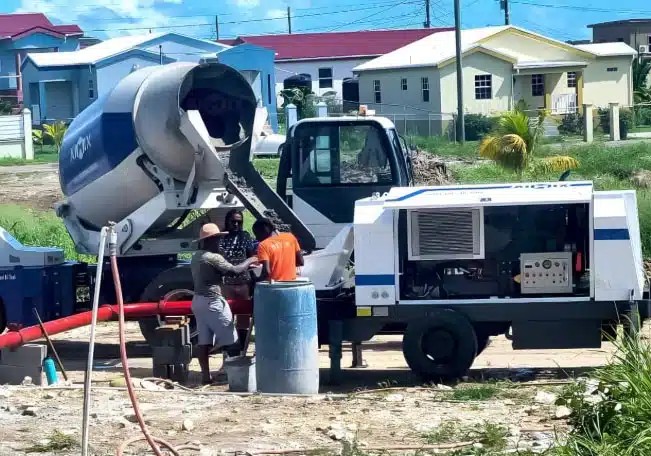
Large jobs often have several active zones. A portable concrete mixer with good wheels, trailers, or tracks moves between spots. This saves time over repositioning fixed plants.
Mobility also helps in phased construction. You move the mixer as the project advances. This keeps concrete supply close to the crew.
Easy movement supports faster workflow across sites.
Check Mixing Performance and Consistency
Large mixers must blend materials evenly to meet strength standards. Look for models with reliable drum rotation and paddle design. Even mixing prevents weak spots and rework.
Some mixers include sensors or adjustable speed settings. These help maintain quality across different mix designs. Consistent output builds client trust.
Quality control starts with steady mixing action.
Factor in Labor and Operational Simplicity
A self loading concrete mixer lowers manual labor by handling loading tasks. A large portable mixer may need some manual feeding but less than small units.
Fewer workers are needed for material handling. This cuts cost and eases safety management. Simple controls also reduce training time for operators.
Easy operation keeps crews productive and safe.
Consider Total Cost of Ownership
Initial price matters, but running cost is vital. Large mixers use more fuel but produce more concrete per hour. Diesel engines may need pricier maintenance than electric ones.
Also, check spare parts availability and service support. A cheaper mixer that often breaks down can raise long-term cost. Balance purchase price with durability and efficiency.
Smart buying protects your budget over years.
Combine With Other Equipment for Full Coverage
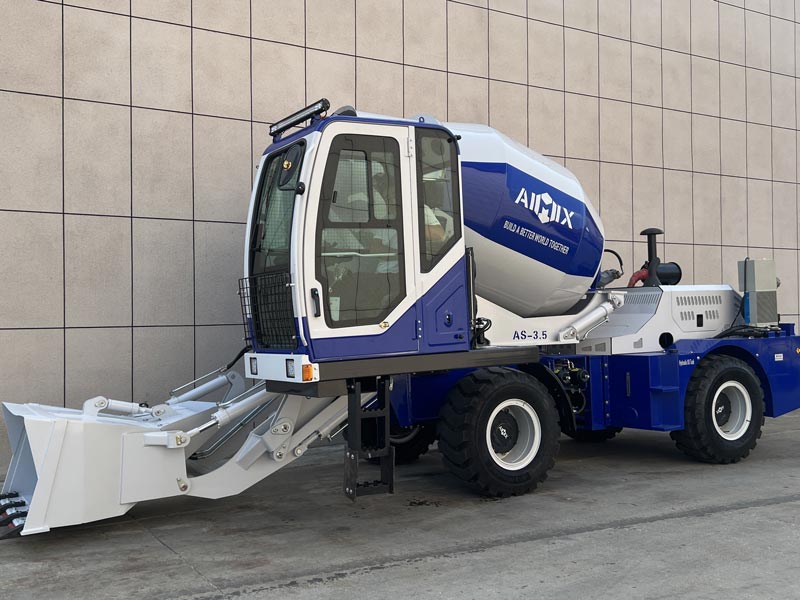
On big sites, you may use a transit mixer for central supply and a large portable concrete mixer for spot pours. A self loading concrete mixer can feed raw materials to remote areas.
This mix of machines covers different distances and volumes. You avoid delays when one method cannot reach a zone. Combined use improves overall project flexibility.
Teamwork between equipment types boosts efficiency.
Match Mixer to Common Construction Scenarios
For roadwork, choose a concrete mixer large that moves along the route and pours at intervals. For building foundations, pick high-capacity portable mixers that sit near excavation zones.
In precast yards, a stationary large mixer may work, but adding a portable concrete mixer aids custom pours. For rural housing, a self loading concrete mixer cuts transport needs.
Scenario-based matching gets the best from each machine.
Look at Ease of Cleaning and Maintenance
Large mixers must be cleaned between mixes to avoid contamination. Check if the drum tilts fully and has accessible parts. Simple cleaning saves labor and keeps quality consistent.
Maintenance should be straightforward. Greasing points, inspection hatches, and pump access matter. Easy upkeep reduces downtime on big jobs.
Reliable maintenance supports continuous work.
Prioritize Safety Features for Big Units
Large mixers have bigger moving parts and higher inertia. Look for guards, emergency stops, and stable frames. Safe loading and discharge protect operators and nearby workers.
Training and clear procedures matter more with heavy equipment. Safety builds smooth, incident-free work on large sites.
Protecting people is as important as protecting schedules.
Conclusion: Choose Based on Project Needs and Conditions
Choosing a large portable concrete mixer means looking at project size, site access, power, and mobility. Compare it with a self loading concrete mixer, transit mixer, and other portable concrete mixer types. Match capacity and features to concrete demand and location.
For big pours, a concrete mixer large saves time and labor. For remote or multi-zone work, portability and diesel power help most. By selecting carefully, you get equipment that supports smooth, cost-effective work across different construction projects.